Back to Services
HAZID
Introduction:
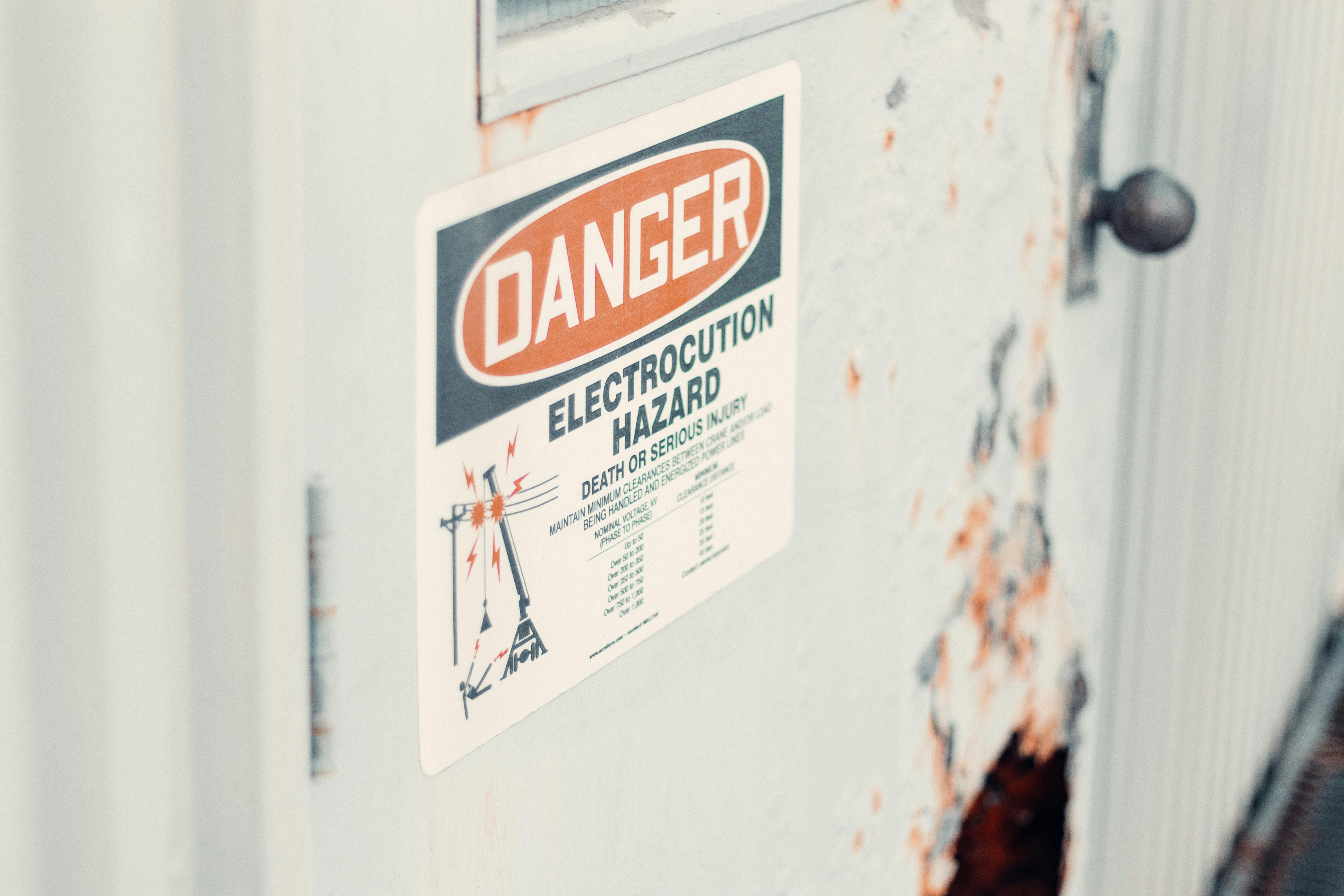
Hazard Identification (HAZID) is the foundational, systematic process of recognizing potential sources of harm within a process facility before they manifest into incidents. Conducted early in a project's lifecycle, typically during the conceptual or Front-End Engineering Design (FEED) stage, HAZID aims to create a comprehensive inventory of hazards. These hazards can stem from the chemical properties of materials, process conditions, equipment failures, or external events. The philosophy is simple yet powerful: you cannot manage a hazard you have not identified.
Purpose:
The primary purpose of HAZID is to proactively identify and catalogue all foreseeable hazards associated with a process, piece of equipment, or facility layout. It focuses on what can go wrong (e.g., release of toxic gas, fire, explosion) and the potential causes and consequences at a high level. The goal is to inform early design decisions, guide the allocation of resources for risk management, and establish a baseline for more detailed studies like PHA or HAZOP. It ensures that major hazards are considered and mitigated "out" of the design where possible.
Methodology:
A HAZID is typically performed via structured brainstorming workshops involving a multidisciplinary team (process engineers, safety engineers, operations representatives, etc.). The team systematically reviews each node or area of a process using guidewords (e.g., Fire, Explosion, Toxic Release, Corrosion, External Events like earthquakes or flooding) applied to process parameters and equipment. For each identified hazard, the team records its possible causes, immediate consequences, and recommends preliminary safeguards or actions for further study. The output is a HAZID worksheet or register, which becomes a live document for the project.
Importance in the Process Industry:
In the high-hazard process industry, missing a fundamental hazard in the design phase can lead to catastrophic consequences and costly retrofits later. HAZID is crucial because it provides the first layer of defense by ensuring that the design inherently considers major risks. It shapes the safety philosophy of the plant, influences plot plan layout (separation distances), and helps in selecting appropriate technology. By identifying hazards early, HAZID is one of the most cost-effective risk management activities, preventing the embedding of unacceptable risks into the final facility design.